


Buy now, pay less: M&A Strategy Forum 2026 interrogates why today's top dealmakers are getting pickier – and bolder.
AI is inflating valuations, geopolitics refuses to settle down, and the best targets are harder to find than ever. Yet the M&A directors of leading Belgian corporates see something else too: a buyer's market. Their winning formula? Fewer deals, sharper focus, and a lot more lunches.
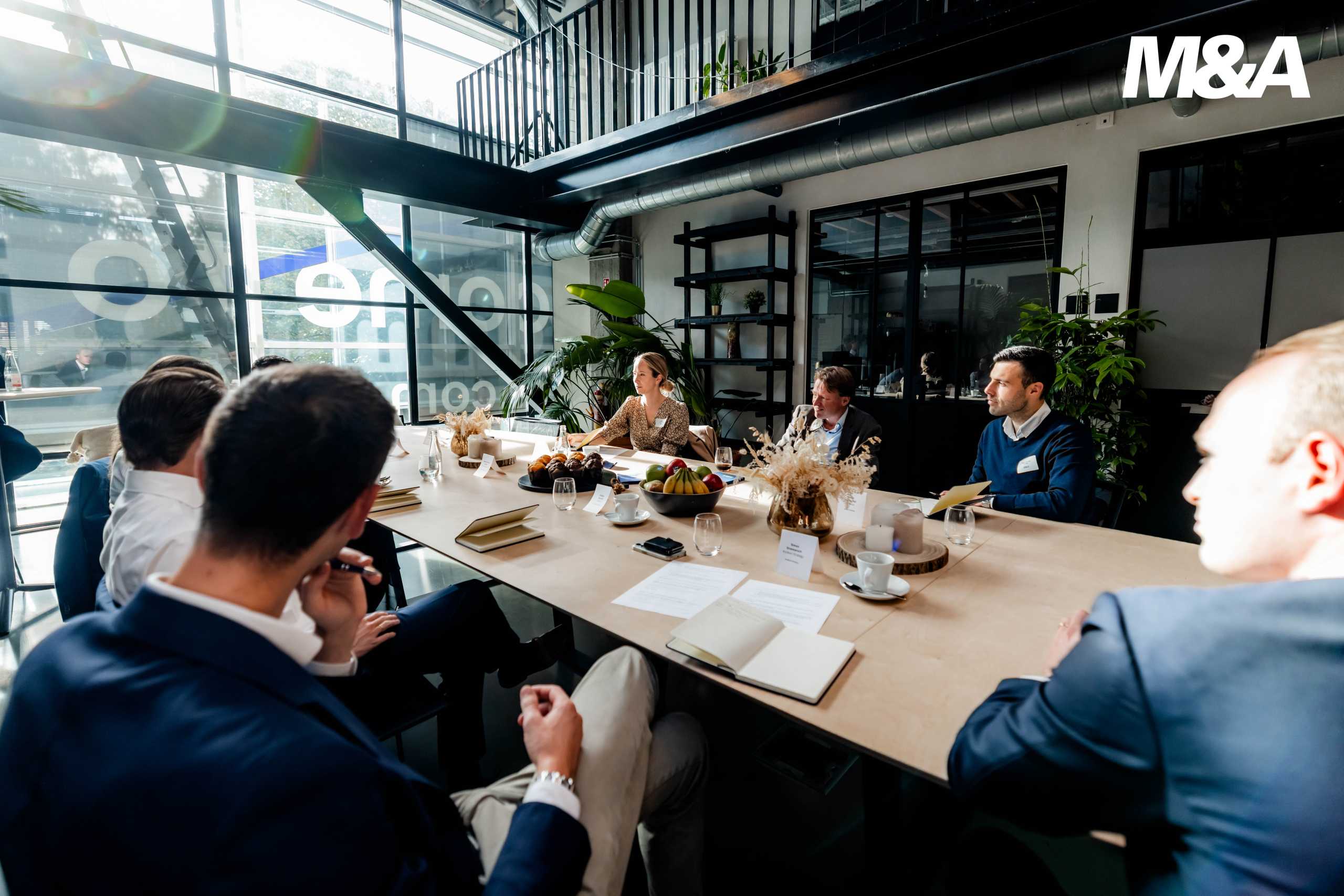
On Thursday, 24 September 2026, ahead of the M&A Strategy Forum 2026, M&A directors gathered at iO's Antwerp headquarters for two roundtables – hosted by KooKoo Strategy's Simon Stremersch and Margot Desseyn – on one theme: Winning M&A Strategies in Today's Market.
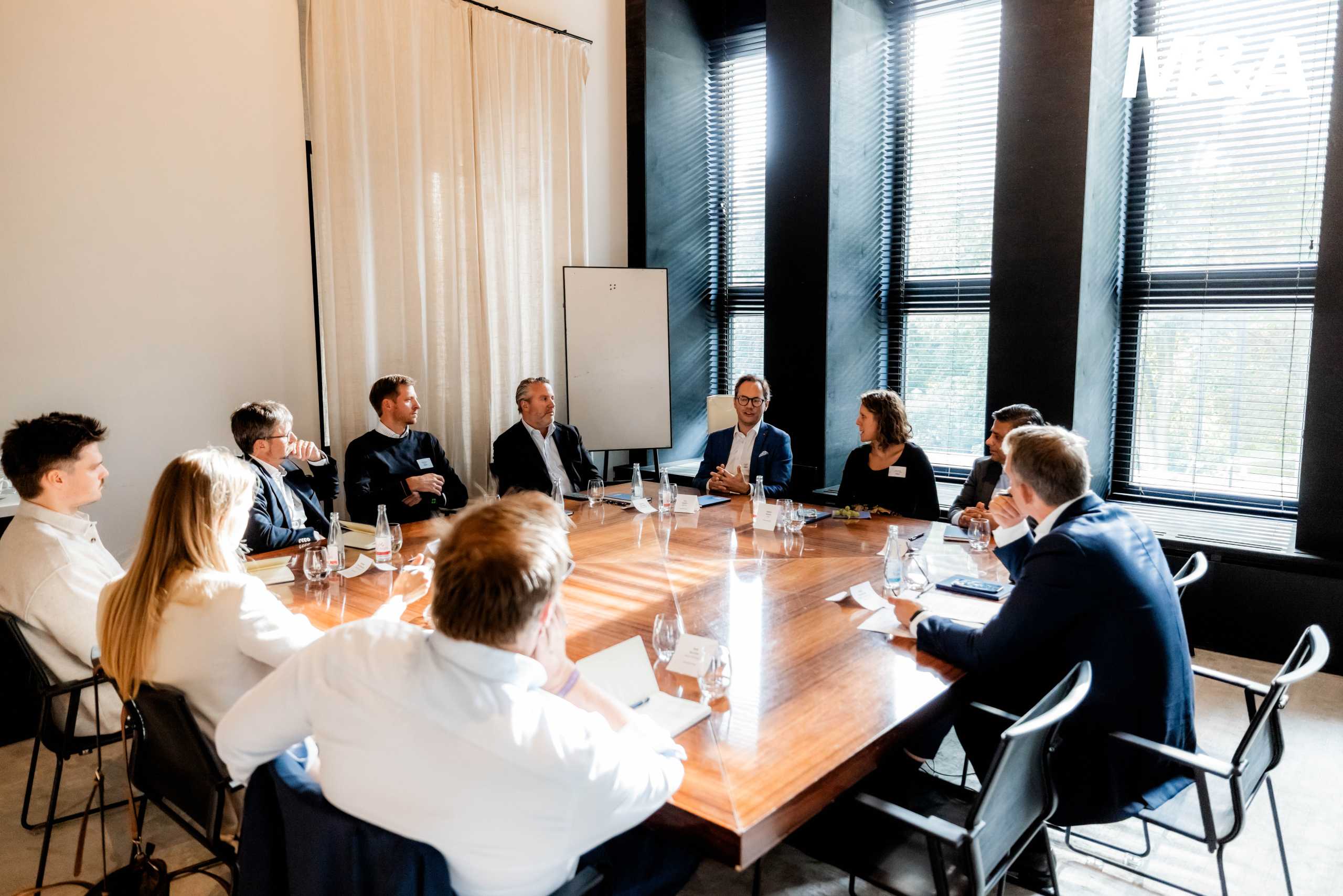
From platform acquisitions and buy-and-build to minority stakes, partnerships and international expansion, they compared notes on how they source opportunities, create value and navigate an increasingly complex deal environment.
The conversation opened with the biggest question of all: how are economics, geopolitics and technology reshaping the way dealmakers decide?
Forget Trump, watch AI
The directors agreed straight away: these macro forces are shaping their strategies, and not at the margins. "The only constant is uncertainty", one participant summed up.
Yet when it came to the biggest disruptor, politics took a back seat. "Trump is unpredictable, sure", said one director. "But the impact of AI is potentially enormous."
Around the table, AI was seen as the real game changer, for targets and dealmakers alike.
Back to basics
The most common response to all this turbulence is discipline. Several directors said they have become much stricter in target selection. "We have gone back to the basics and really determined which types of deals create the most value for us and fit our core business. We stick to those deals."
A second shift: specialists are replacing generalists. How much this matters depends on the sector, with tech, business services and energy feeling the impact most. "A specialist is crucial", said one participant. "The more you know a sector, the more you recognise its patterns."
The AI premium trap
Paying too much is the oldest risk in dealmaking. Today it looms larger than ever. "Every company is inflated by AI", one director warned, "so the multiples paid must be lower."
But the same turbulence also opens doors. "Certain companies might become available that otherwise would not have", noted one participant. Many AI and software companies are surrounded by uncertainty right now, which makes this the moment to move. As one director put it bluntly:
"It's a buyer's market."
Fewer deals, or more?
To limit exposure, the directors stressed two things: claim a very clear position in your market, and run a very tight deal process. Speed of integration is part of that. "We want acquired companies on our systems as soon as possible."
Will all this mean more deals or fewer? Here opinions differed. Stricter selection points to lower volume. But there is also a real sense of urgency. The gold nuggets are hard to find and competition for them is fierce, a dynamic that could just as easily push deal flow up.
Less screening, more lunches
The second big theme was the M&A team itself: which skills, capabilities and organisational support does it need to win today?
AI is already changing the job. Much of the screening work can now be handled by AI, freeing dealmakers to approach business owners proactively. "More on the road, see more people, more lunches, pursue more targets at the same time. Build a bigger pipeline", one director explained. "AI has made us much more productive."
The analytical firepower has impressed them too. "I am amazed at how impressive the financial analysis these AIs can do", said one participant.
From spreadsheet to handshake
With machines taking over more of the number-crunching, the profile of the dealmaker is shifting from analyst to people person. Analytical skills still matter, but they are no longer enough: you also need a deep understanding of the sector you operate in.
Above all, deals run on trust. "Relationships are crucial", one director said.
"You need to understand how to treat entrepreneurs and their people. Show respect and appreciation for what they have built."
That groundwork starts long before the term sheet. "Pre-messaging the floor takes a lot of effort, and it starts at leadership level. Put them in a room with food and wine. Make people friends as much as possible."
Internally, collaboration is just as vital. "You need a clear playbook, and everybody needs to be aligned around it."
Sell the story, not the price
So where do dealmakers really make the difference? Not with money alone. "You need the operational capabilities and the leadership", one director said. "Show them what you are planning to do with their company after the deal. Sell the story and the idea first. Then what they can earn."
And once the ink is dry, step back. Give the acquired team freedom, help them work as a team and facilitate them. As one participant concluded:
"The entrepreneurial spirit is what makes the magic happen. You cannot buy it; you have to embrace it."
In a market where AI inflates prices and uncertainty is the only constant, that may be the most valuable asset on the table.
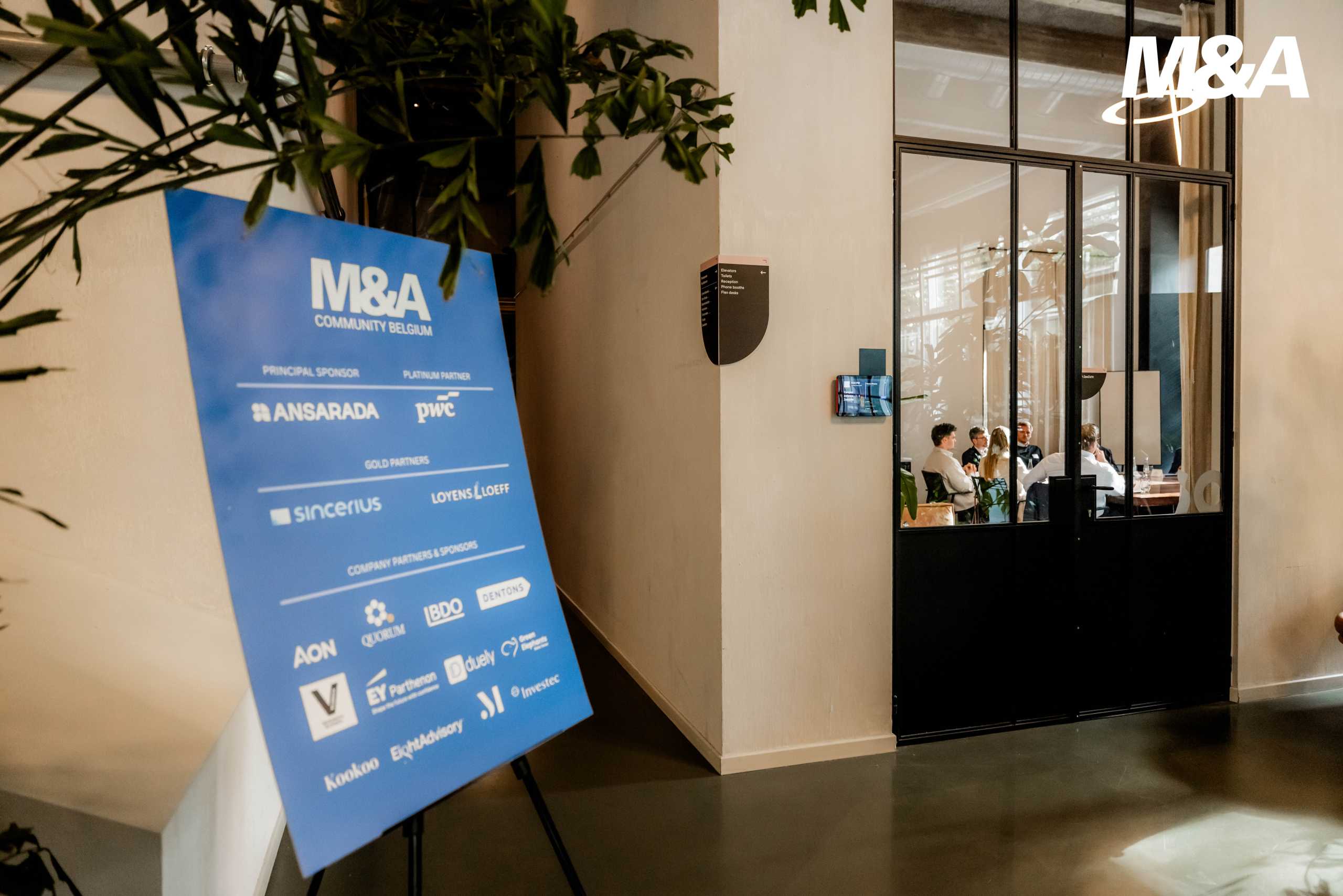
Want to be part of conversations like these? Join the next M&A Community Belgium event:
-2.png?upscale=true&A%20Event%20Introbeeld%20(5)-2.png&width=1120&upscale=true&name=M%26A%20Event%20Introbeeld%20(5)-2.png?upscale=true&A%20Event%20Introbeeld%20(5)-2.png)

