

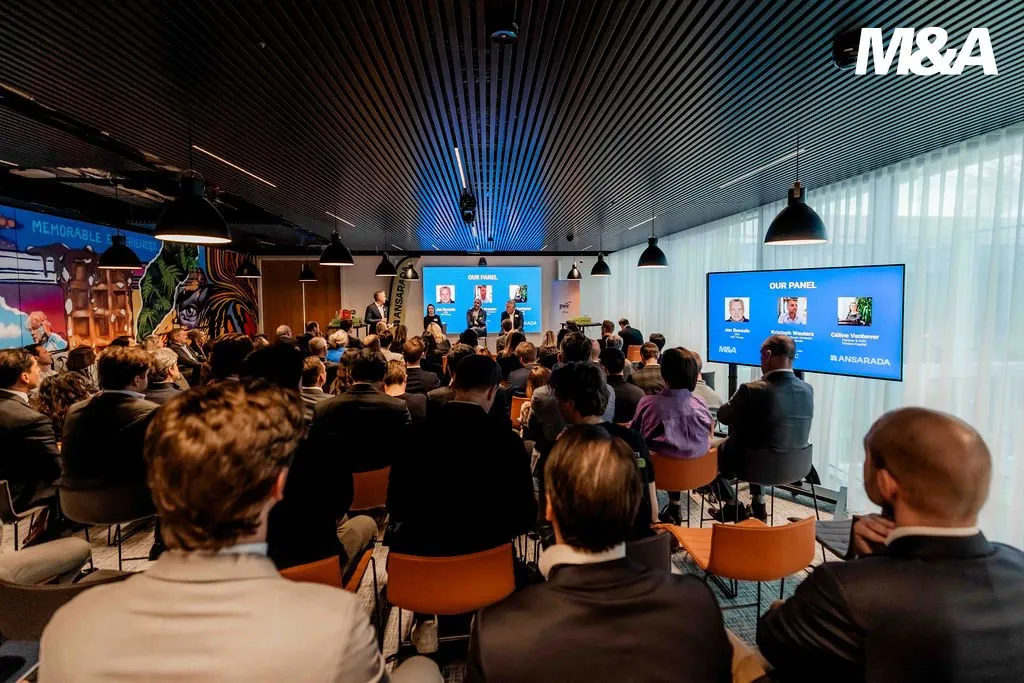
On Thursday, April 2, the Belgian M&A Community convened for its third gathering this year, this time at the sleek headquarters of PwC Belgium.
The afternoon buzzed with energy as M&A professionals and private equity investors came together; not just to exchange business cards, but to dive deep into the art and science of exit readiness.
The event promised more than just networking; it delivered insights, hard-won lessons, and a roadmap for navigating one of the most complex maneuvers in corporate strategy: the carve-out.
Setting the stage: why exit readiness matters
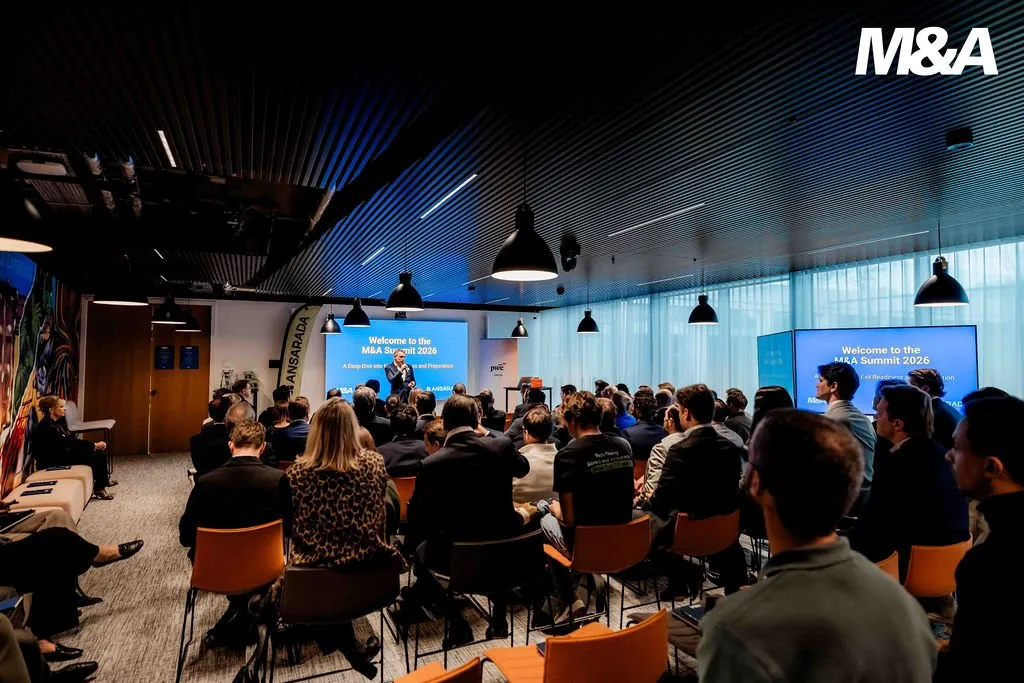
The event kicked off with Melle Eijckelhoff, founder of the M&A Community Belgium, and Nancy De Beule, Partner at PwC, welcoming the crowd.
Melle reminded everyone of the community’s core mission: connecting professionals, sharpening their expertise, and ultimately strengthening Belgium’s economic backbone. “A thriving M&A ecosystem isn’t just good for us, it’s essential for the economy”, he noted, before extending gratitude to the event’s enablers: Principle Community Sponsor Ansarada, new partner Jurimesh, and host PwC Belgium.
Nancy De Beule then set the tone for the day with a provocative question: Why does exit preparation take so much longer than the sale itself? Her answer was blunt: “Because carve-outs are beasts of complexity. They demand meticulous coordination across finance, HR, IT, and operations all while the people managing the process are still running their day jobs. Preparation isn’t a luxury”, she stressed. “It’s a necessity.”
The hard truth about M&A: why most deals fail
Enter Killian McCarthy, Associate Professor at Radboud University and a quantitative M&A researcher. His keynote, ‘The Economics of Carve-Outs’, didn’t pull punches. Citing decades of research, McCarthy revealed a staggering statistic: 75 percent of M&A deals fail to add value or worse, destroy it. “I used to think, How? There are so many smart people in the room”, he admitted.
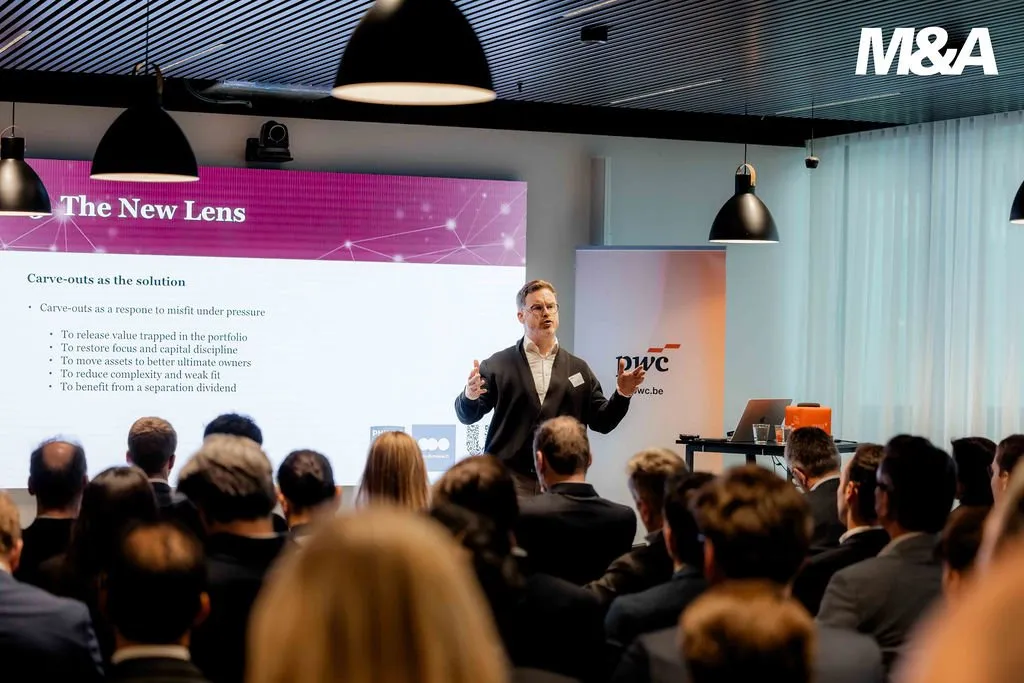
Yet the data doesn’t lie. A landmark study from the Journal of Finance found that for every dollar invested in billion-dollar deals during the 1990s, shareholders lost 2.31 dollars. The paper’s title? ‘Wealth Destruction on a Massive Scale’.
So why do companies keep chasing deals? McCarthy pointed to a shifting global landscape: war reshaping energy markets, geopolitical upheavals, and AI rewriting industry playbooks. “Who predicted Rheinmetall would become Europe’s growth champion?” he asked. In this new reality, portfolio management isn’t about growth at all costs – it’s about focus, refinement, and derisking. And that’s where carve-outs come in.
Today, one in three deals is a carve-out, outpacing traditional M&A by 16 percent. Activist shareholders are turning up the heat, and companies are asking: Are we still the right owners for this business? McCarthy’s answer? “Carve-outs aren’t just an exit strategy; they’re a survival tactic.”
But how can companies do them better? McCarthy outlined four pillars:
• Strategic logic: Sharpen focus. Companies that stick to their core industries see carve-outs perform 3 percent better in median ROA.
• Financial discipline: Use proceeds to pay down debt, not just fund new bets. “Debt reduction isn’t sexy, but it works”, he noted.
• Valuation clarity: Cleaner businesses command better valuations. Clarity can boost CAR by 4.11 percent.
• Materiality & design: The era of passive portfolio management is over. Value now comes from selecting the right assets, reducing complexity, and matching businesses with the right owners.
Deep dives: from theory to practice
The afternoon unfolded with real-world case studies and tactical workshops. Highlights included:
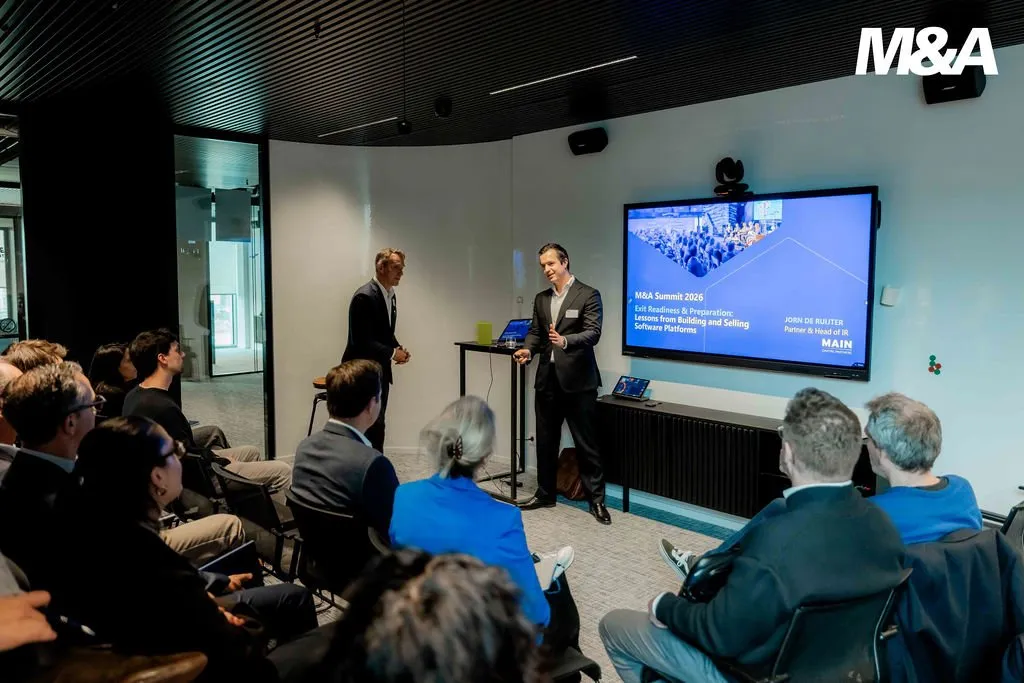
- Jorn de Ruijter (Main Capital Partners) sharing exit readiness strategies from one of the Benelux’s top PE firms.
- Roel Druyts detailing how Hillewaere transformed from a local player into a national force in real estate and insurance services through a buy-and-build strategy.
- PwC-led sessions on clearing legal and HR hurdles, and the nuances of Vendor Due Diligence.
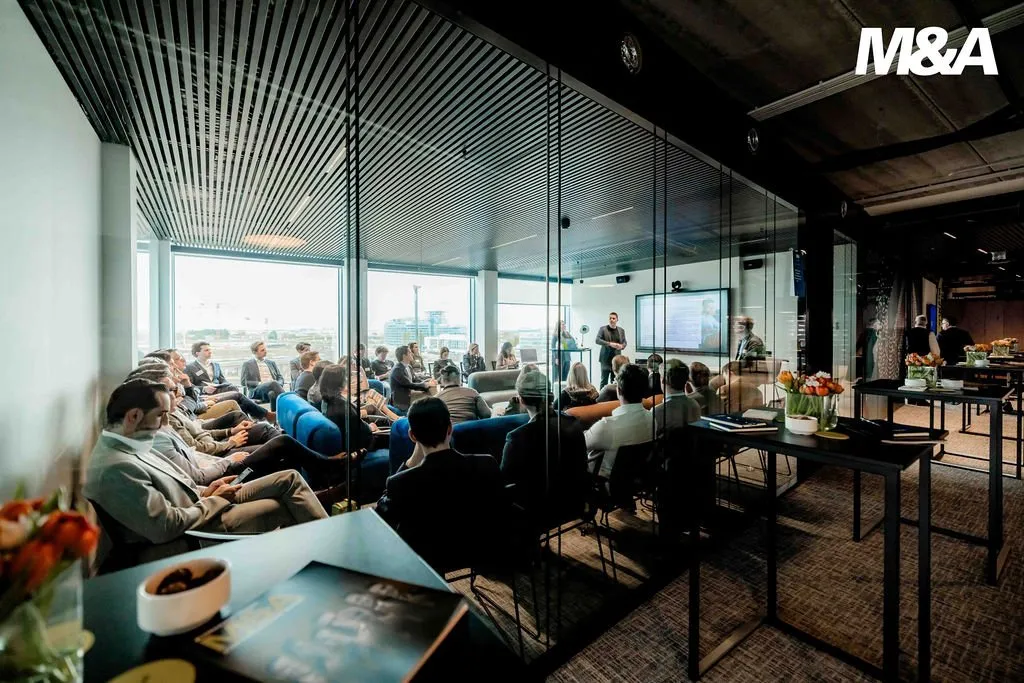
After a networking break, the second round dug into IT separation with Patrick Putman, the HR agenda of carve-outs with Rudi Nerinckx, and PwC’s insights on Management Incentive Plans and family business transitions.
The Panel: Preparing for a partial sale – emotions, egos, and exit strategies
The day’s crown jewel was a panel discussion moderated by Melle, featuring:
Jan Bussels, CEO of DGT Group
Kristoph Wauters, Head of Van Breda Advisory
Céline Vanbever, Partner & COO at Fortino Capital
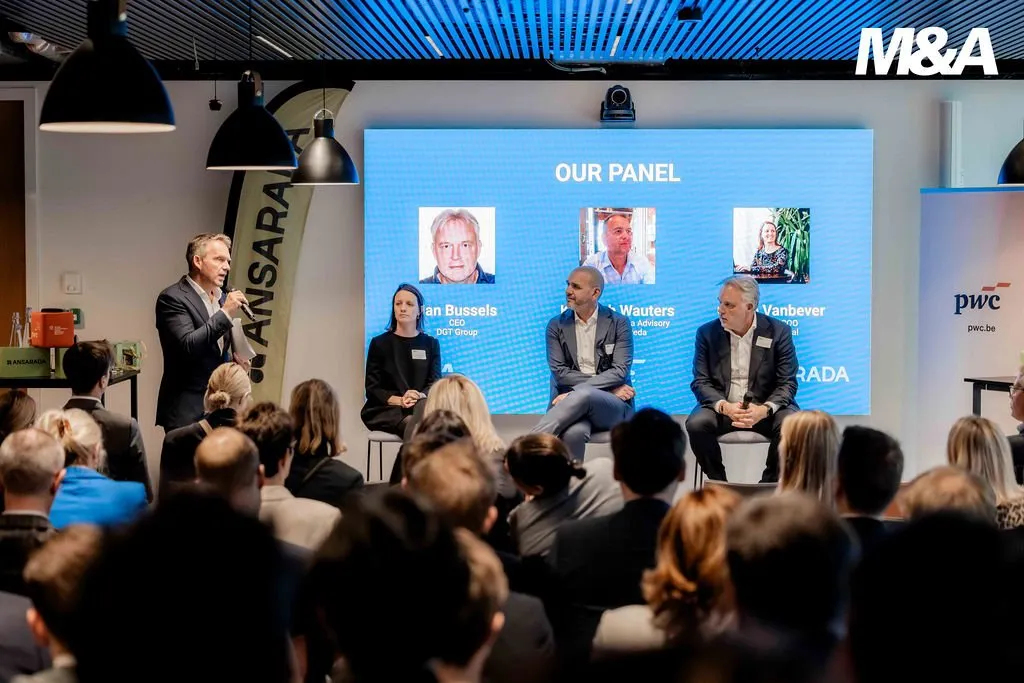
Why don’t entrepreneurs prepare for exits? Kristoph Wauters pointed to emotional ties – family members in the business – and the overwhelm of wearing too many hats. “Most CEOs are also CFOs, HR managers, and chief everything else”, he said. “They lack that second layer of leadership.”
Jan Bussels shared his journey: Digitopia, a leader in digital signage, brought on Smile Invest as a majority shareholder in 2025. His preparation started years earlier, with acquisitions in 2022 and 2024. “PwC helped me see the gaps”, he recalled. “14 coffee chats later, nothing in the sales process surprised me.”
From the investor’s perspective, Céline Vanbever emphasized team depth and product roadmaps. “In B2B SaaS, we need to see growth potential, customer concentration, and competition”, she said. “And founders? They’re often the bottleneck.”
She highlighted the Rule of 40 – a SaaS benchmark where revenue growth + profit margin should hit 40 percent – as a litmus test for investor interest.
The panel tackled valuation anchors (“The first number an entrepreneur hears sticks even if it’s unrealistic”, noted Wauters) and founder dependency. Jan Bussels’ solution? Give the founder a new role. “In my case, sales. It keeps them engaged without stifling the new partnership.”
The grand finale: Networking and what’s next
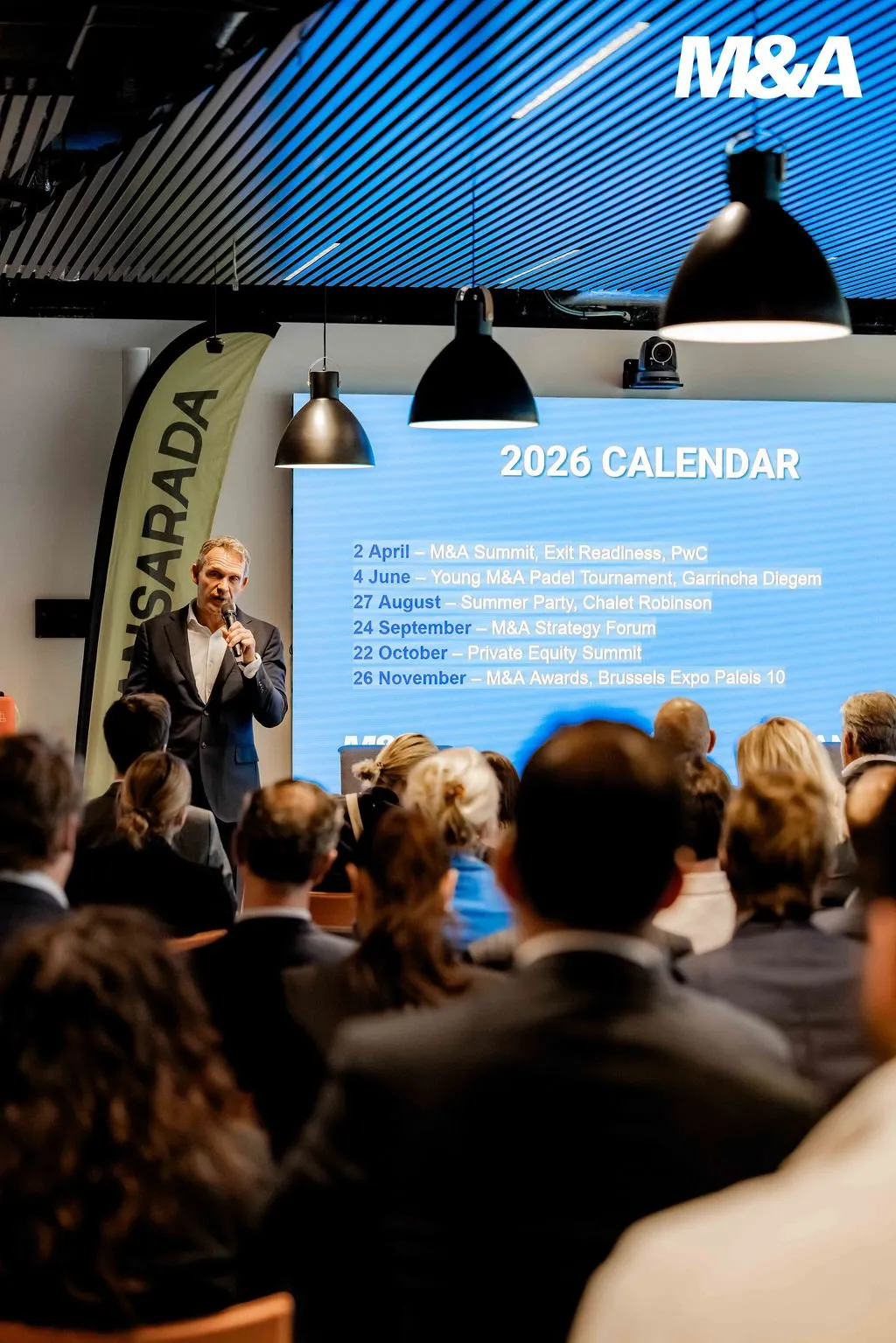
As the official program wrapped, Melle and Nancy steered the crowd toward PwC’s networking space, where conversations flowed as freely as the catering. Dealmakers scribbled notes as Melle unveiled the M&A Community’s upcoming events:
- Young M&A Padel Tournament (June 4, 2026)
- M&A Summer Party (August 27, 2026)
- M&A Strategy Forum (September 24, 2026)
- Private Equity Summit (October 22, 2026)
- M&A Awards (November 26, 2026)
Check out the event calender here.
The message was clear: In a world of constant disruption, exit readiness isn’t just about selling; it’s about building resilience, clarity, and the right partnerships. And for Belgium’s M&A community, the journey is just getting started.