

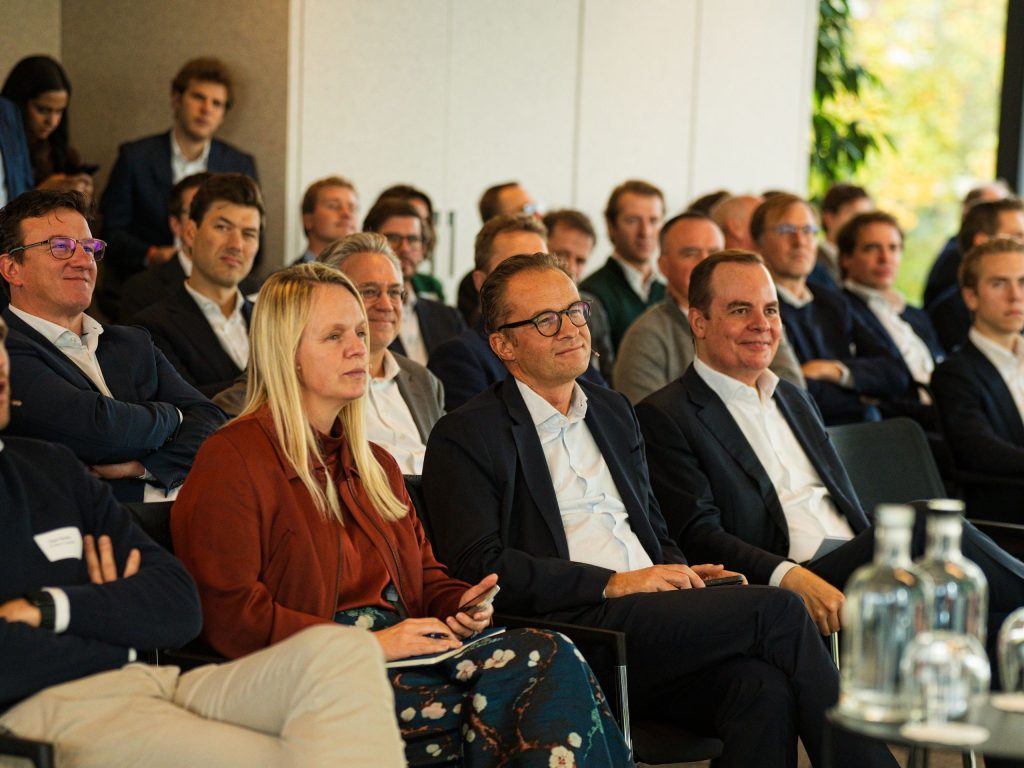
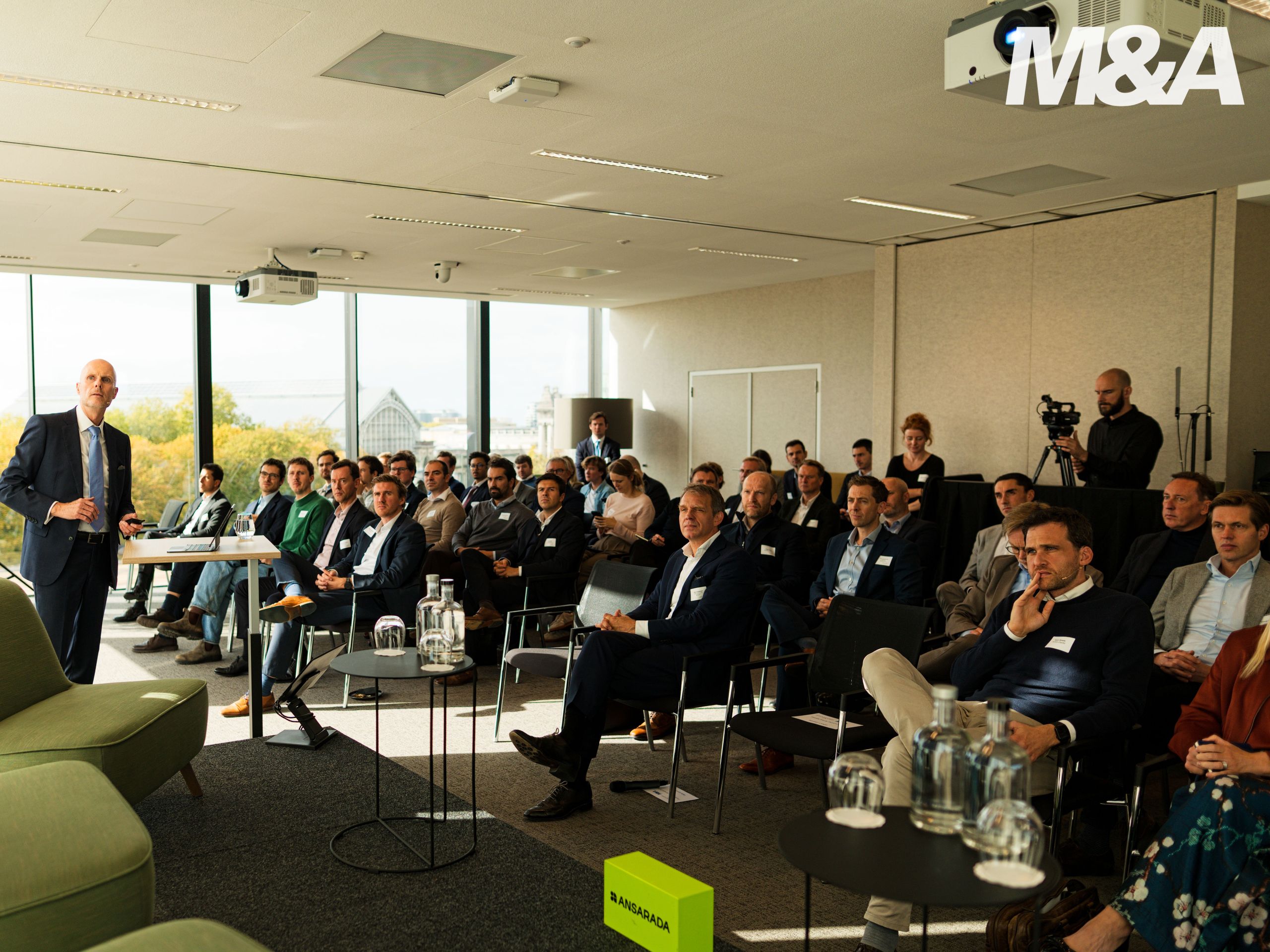
Cheap debt is gone, rising multiples no longer do the heavy lifting, and the world seems to lurch from one shock to the next. Yet the mood at the third Private Equity Summit Belgium was anything but gloomy. Under the banner 'The New Alpha', the Belgian M&A community gathered at Loyens & Loeff in Brussels to work out where returns will come from now. Judging by the conversations that carried on long after each session ended, there was plenty to talk about.
By the time the doors opened on Thursday 22 October, the foyer was already buzzing. Old acquaintances caught up, newcomers were introduced, and more than one deal conversation started before anyone had found a seat.
That was exactly the point, according to Melle Eijckelhoff, founder of M&A Community Belgium. "Meet new people, exchange knowledge, and share experiences. Our mission is to help build a stronger M&A ecosystem in Belgium."
Co-host Thomas Lenné, Partner at Loyens & Loeff, explained why the organisers chose a more optimistic angle this year: "Last year, we discussed the much more difficult environment for private equity. This was useful, but also a bit depressing. This year we decided to turn the question around. If the old engines no longer carry returns, then where does it come from? And where are the opportunities leading that PE firms are chasing?"
Better than its reputation
Karsten Langer, Managing Partner at The Riverside Company, opened with a view from both sides of the Atlantic. Riverside is an American firm, but it does a lot of deals in Europe, including in Belgium. He began by naming the clichés.
"We hear a lot about how Europe has a lazy population, there are way too many regulations, and it has lost the tech race. Still, there is a lot that’s good about it. We see 1,000 investment theses a year, many of which are very strong."
Karsten did not gloss over the weaknesses: low growth, energy dependence, rising interest rates, low productivity, regulation and a sizable innovation gap. Then he flipped the script. Europe has 540 million consumers, a GDP of 23 trillion dollars, a skilled workforce and a proven track record of resilience. The energy crisis after Russia's invasion of Ukraine in 2022 was his prime example. "In just one year's time, Europe managed to become independent of Russian gas, and return to the gas prices of before the war."
Since Trump's second term began, Europe has closed several new trade agreements around the world and stepped up infrastructure investment. "Europe remains a powerful trading partner. Furthermore, the continent is home to many hidden industrial champions."
European private equity is delivering, too: European LBO funds posted a ten-year horizon IRR of 14.7 percent, against 13 percent for their American peers, according to data from InvestEurope.
Who has been swimming naked?
The risks, however, are real. Capital is needed everywhere at once: data centres, energy grids, defence and an ageing population. Meanwhile, AI investment has reached 3.2 percent of US GDP. Relatively speaking, that is three times the fibre-optics boom and far more than the railroads. Both earlier booms ended badly: some 100 railroad companies went bust, and the dotcom crash sent capital markets into a nosedive. "I will be very surprised if there won't be a major correction of the market in the next five years."
Government debt in the UK, Germany, France and Italy adds to the pressure. "The general wisdom is for governments to invest when times are bad, and save when times are good. In Europe we spend when times are good and bad, so when it gets very bad, we have nothing."
With inflation expected at 3.8 percent in Europe and 3.7 percent in the US, roughly twice the target, Karsten saw a clear conclusion: "All this taken together will put huge pressure on the interest rates. On the one hand, we have needs for investments and on the other hand we have high inflation. This, at the end of the day, will have most impact on PE. Warren Buffett famously said: 'Only when the tide goes out do you discover who's been swimming naked.' In the case of PE firms: they have been swimming naked when their investments are built on cheap debt with insufficient cash flow in the portfolio businesses to support it."
Many companies bought at high multiples in 2021 now face a choice: sell for less or hold on. The secondary market has gotten creative in offering liquidity, growing from 160 billion dollars in 2024 to 226 billion dollars in 2025. "There are now 32,000 private companies for sale worldwide, representing 3.8 trillion dollars in value."
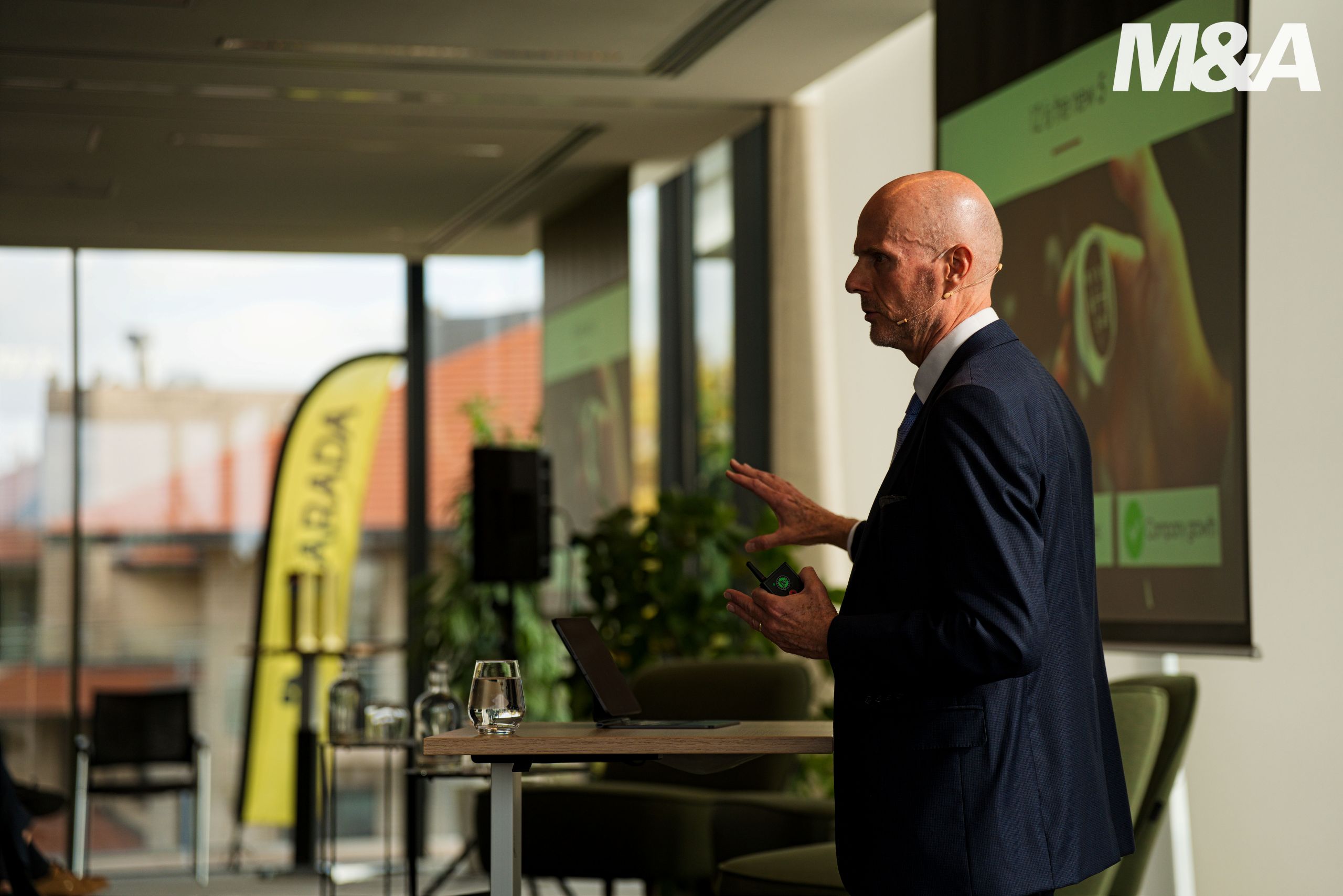
Karsten Langer, Managing Partner at The Riverside Company
12 is the new 5
So where is the upside? Karsten pointed to a Bain study from earlier this year. "12 is the new 5. It used to be the case that with 5 percent growth over 5 years, you could get a 2.5 times return on investment. This was enabled by cheap debt and rising multiples. Since this doesn't work anymore, you need to find growth in the operational performance of the portfolio companies."
That, he said, is where the New Alpha lies. "We are like kids on the beach looking for the most beautiful shells. We invest in individual companies, not in GDP growth, so we can find growth even in a struggling economy."
Riverside looks for niche leaders with the wind in their backs, profiting from favourable trends. Karsten named three. Reshoring is one: "China used to make our stuff. This is changing – at least in critical industries. We want shorter supply lines." Portfolio company Dastex, which supplies consumables for cleanrooms in pharma, semiconductors, aerospace and laboratories, has already completed seven add-ons.
The energy transition is another, illustrated by Norwegian market-information provider Montel, growing 20 percent year on year. The third is health and longevity, where Spanish herbal-extract producer Euromed Botanicals taps into a supplements market worth 43 billion dollars and growing 9 percent a year.
His final message was aimed squarely at the room:
"To find the New Alpha you have to think European instead of nationally. And where better to think internationally than in Belgium? Belgium sits at the heart of Europe. We are already internationally focused and a great source of finding Alpha."
It seemed to land, because during the break, the coffee tables filled with investors, advisers and lenders comparing their cross-border plans.
Specialists, networks and trust
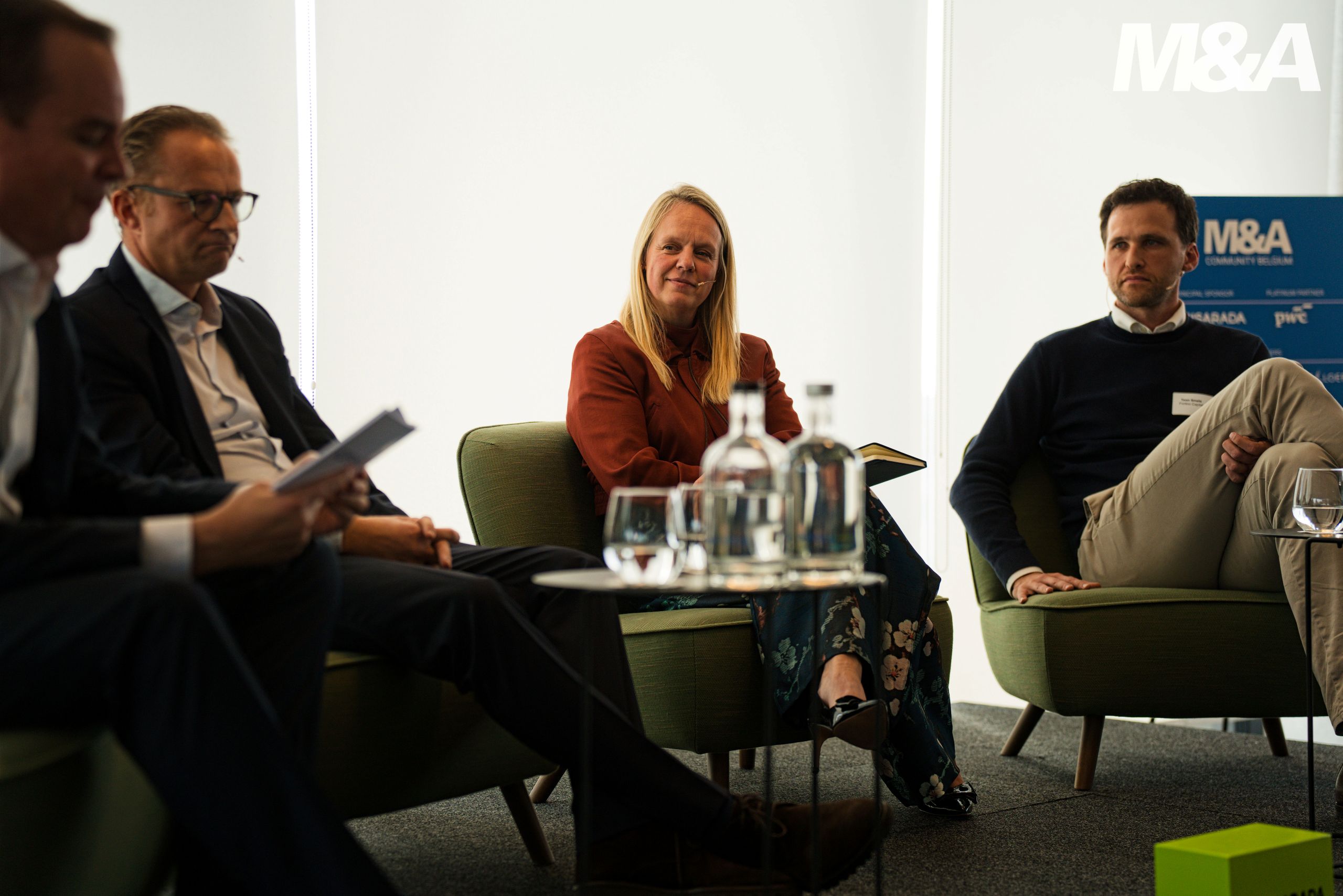
In the panel that followed, Thomas asked Toon Smets (Partner, Fortino Capital), Jan Camerlynck (Managing Partner, Sofindev) and Ruth De Wulf (Partner, Creafund) where their own alpha comes from. Three firms, three different answers.
For B2B software specialist Fortino, it is specialisation. "Why we like it is that during the sourcing phase, companies are happy to talk to us and we believe we can be a more relevant discussion partner", said Toon. "Also, it helps greatly with recognising the best companies with the most potential, given our deep insights into both financial and non-financial metrics. Finally, on the value creation side, we have significantly invested in our operating team that can support on themes like finance, pricing, sales, HR, et cetera. On top of that, we very regularly bring together people from the different portfolio companies, allowing them to learn from peers.”
At Creafund, it is all about the network, too. "We have 120 Flemish entrepreneurs from diversified sectors as LPs", Ruth explained. "We owe it to them to have a diversified portfolio of companies and avoid concentration risk. Our Alpha comes through these connected entrepreneurs: a wide network that can get people together and for whom no challenge is too great."
Sofindev also leans on entrepreneurs to evaluate opportunities and bring operational expertise after the deal. For Jan, relationship-driven dealmaking is the New Alpha. "We focus on primary transactions in which relationships are the most important. This is the first time entrepreneurs open up to outside capital. They want people they can trust."
A bargain? Depends where you look
According to the Vlerick M&A Monitor, the average EBITDA multiple for Belgian acquisitions stood at 6.4x in 2025, down slightly from 6.5x. "Does that make Belgian companies look like a bargain?" Thomas asked.
Jan was not convinced. "The monitor is great, but aimed at the lower middle market. If you go a size bigger, multiples are high. So you need to do more with companies to be able to sell them. You need discipline and strategic focus. Lots of buy and build, and crucially: deciding on what deals not to do. Making the right choices is very important to find the New Alpha."
The accelerating rise of AI has created uncertainty in public markets, driving significant volatility in software valuations during 2026. Yet Toon sees a clear divide: the winners embed AI in their core offering to create value for customers. He also looks for software companies that serve as a system of record and support workflows.
Proprietary data and deep domain expertise are other criteria. “The latter is particularly important. AI can massively accelerate coding, but building the right product to meet customer needs takes deep market knowledge and years of close customer contact.”
Selling their name on the building
With a large succession wave heading for Belgium, Thomas asked how to win over a retiring entrepreneur. Ruth answered from experience: "They are not just selling their company; it's their baby. They are selling their name on the building. Their team. What we can offer them is a softer exit: we can guide their company to the next phase, and they can re-invest and join this journey. So we can convince them by offering them the entrepreneurial angle. What do you still want to accomplish with your company, and how can we help you with that?"
The discussion also explored how investors are navigating a market in transition. In software, the correction prompted a closer look at what really protects a business from AI disruption, whether proprietary data, regulatory anchoring or deep integration into customers’ workflows. That longer-term perspective also raised questions about patient capital: how to give companies time to grow while meeting investors’ expectations for cash returns, and whether traditional fund structures remain suited to building European platforms.
American capital added another dimension, with the conversation considering how the same investor can be a competitor today and a partner or next owner tomorrow. Underlying these themes was the question of how value creation itself might change, particularly as AI challenges service businesses to translate productivity gains into sustainable margins and rethink the link between billable hours and customer value.
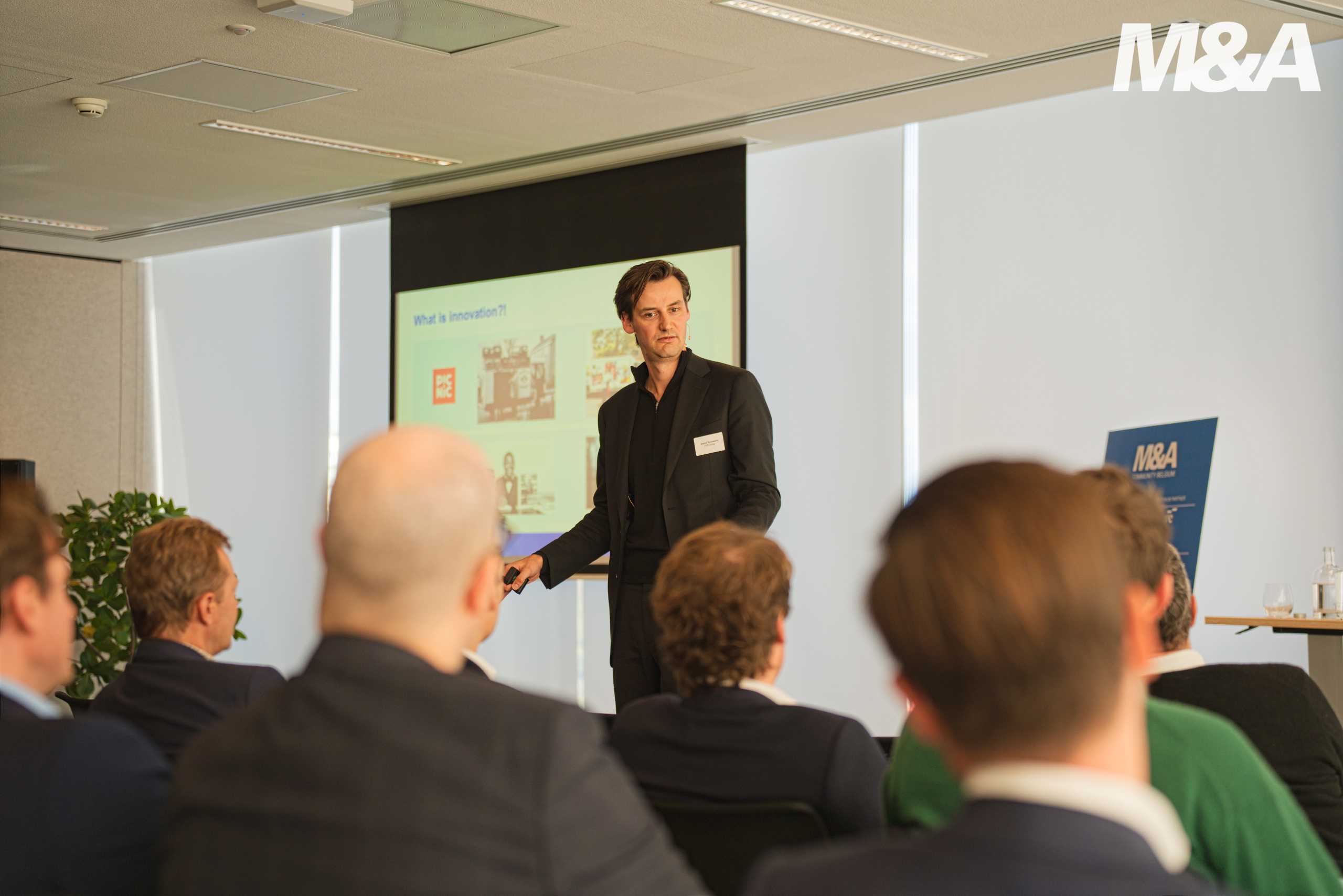
Ewout Brouwers, CEO at PIA Group
Bet on the jockey, not the horse
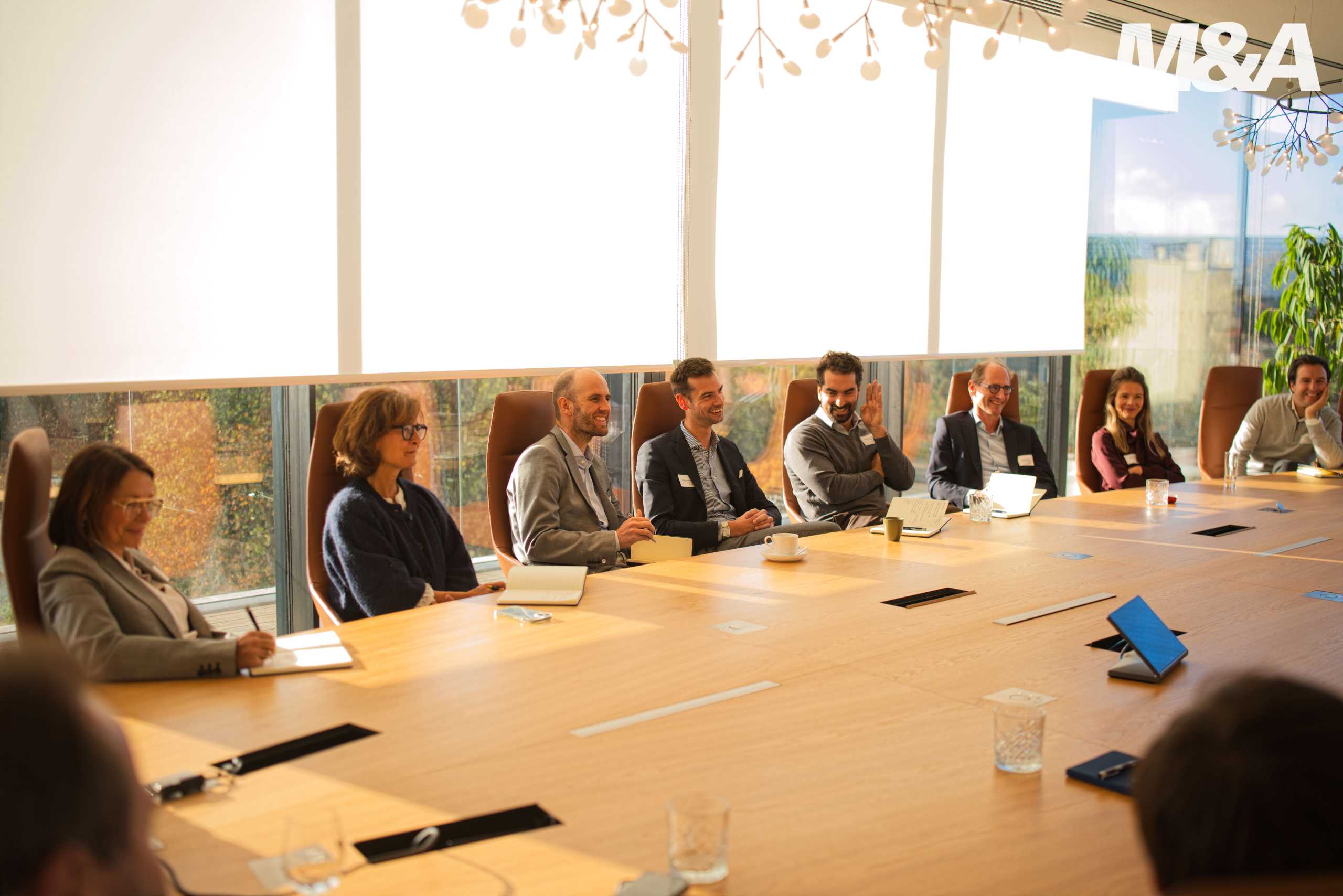
The afternoon then split into two blocks of parallel sessions. Four interactive breakouts covered the buy-and-build stories of Equine Care Group, BOMA and PIA Group, investing in the age of AI, and two roundtables touched on executive performance under pressure and other ways to unlock the New Alpha. The smaller format made it easier to speak up and made the discussions more candid.
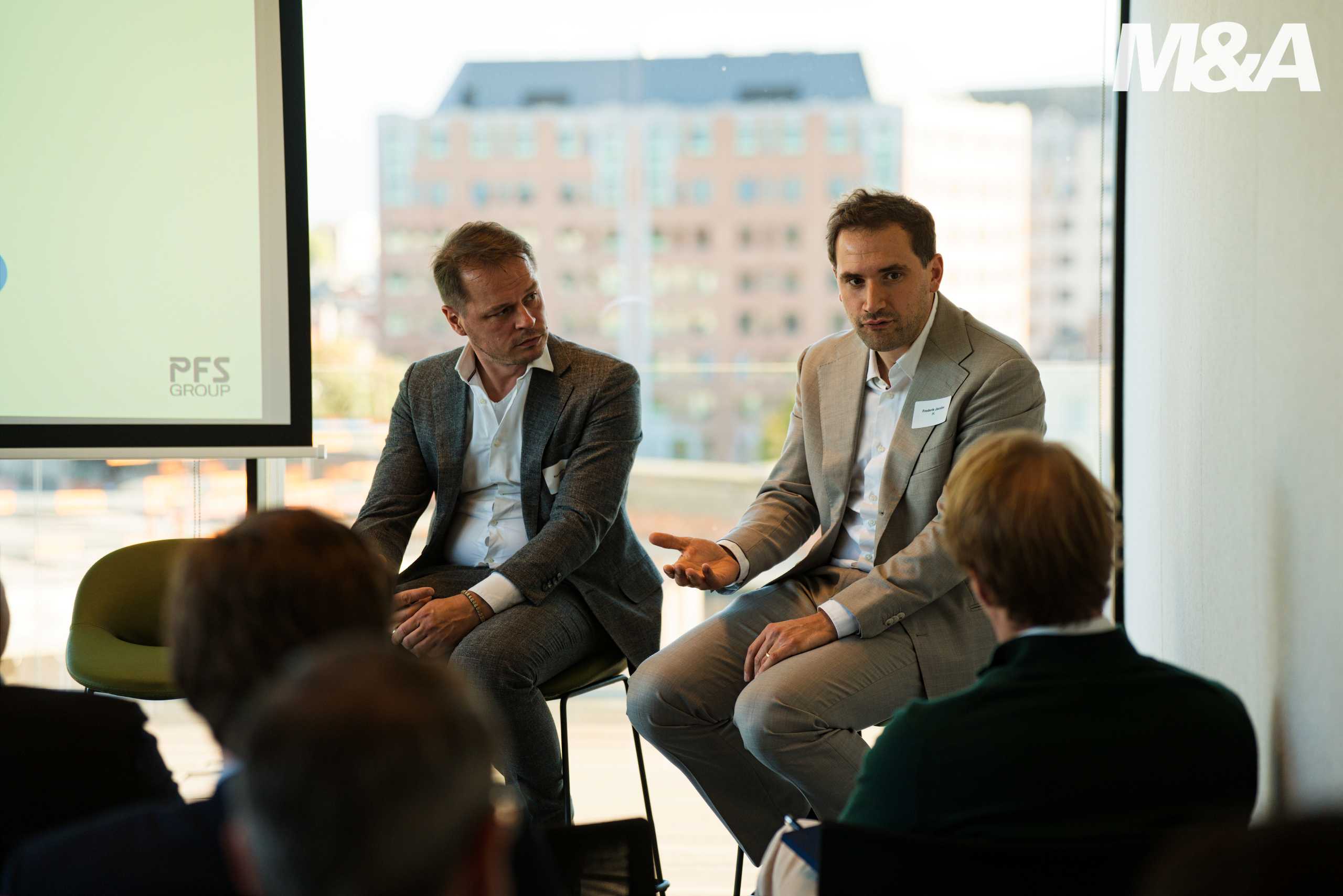
Karl Abelshausen, CFO at PFS Group and Frederik Jacobs, Partner at IK Partners
During the roundtables, private equity leaders agreed that operational value creation has always mattered, but is now by far the most important lever. And that puts management centre stage. "I would almost say: management is the only criterion", one PE leader said. "Retail and airlines are generally considered shitty sectors, but Ryanair and Action are the best PE deals ever. How? It's the management."
Another investor built on that:
"We invest more in the jockey than in the horse. Because the jockey will convince other entrepreneurs to join the buy-and-build story that will follow. As private equity, we build a team around them. Certainly a CFO, if that is not yet present."
Culture is part of the package – especially for a fund that steps in where other investors step out. "What we look for is the right mindset on cashflow and steering the team effectively", said one investor. "Every six months we do a review of whether the leadership team is on the right track."
Simon Stremersch of KooKoo Strategy liked that clarity. "This is good, I think. Radical transparency. Tell them about the structure. Then you build a partnership, and everybody knows what is expected."
AI: powerful, but not yet moving the needle
On AI, the tables were sober. "In a large part of the economy, AI is still largely absent", one participant warned. "In traditional industries like food and chemicals, we have looked at the potential, but in the bulk of the business it won't be a game changer for now. In other industries, especially where lots of content creation is done, like in media and professional services, it will most likely be a real game changer."
Most firms are still exploring, though nobody doubts the long-term impact. "It's a wonderful tool, very powerful. Yet, human decision-making and critical thinking remain ever so important”, said one. Another summed up the current state: “There are certainly things happening with AI, but it's not moving the needle yet.”
From economic doom to investment boom
The closing keynote came from Koen De Leus, chief economist at BNP Paribas Fortis, author of four books on economics and investing, and a familiar voice on Belgian radio and television. His title promised a journey 'From Economic Doom to Investment Boom', and he started with the doom.
The world is in transition, he argued, and more shocks mean higher interest rates. Energy prices are up again because of the war involving Iran, hurting energy-intensive industries. Defence has become a growth sector, with Germany taking the reins in Europe's rearmament, although Europe remains five to ten years away from military independence from the US. The good news: German growth is picking up as infrastructure investments start to pay off, and European growth of 1.5 percent despite an energy shock is "not so bad".
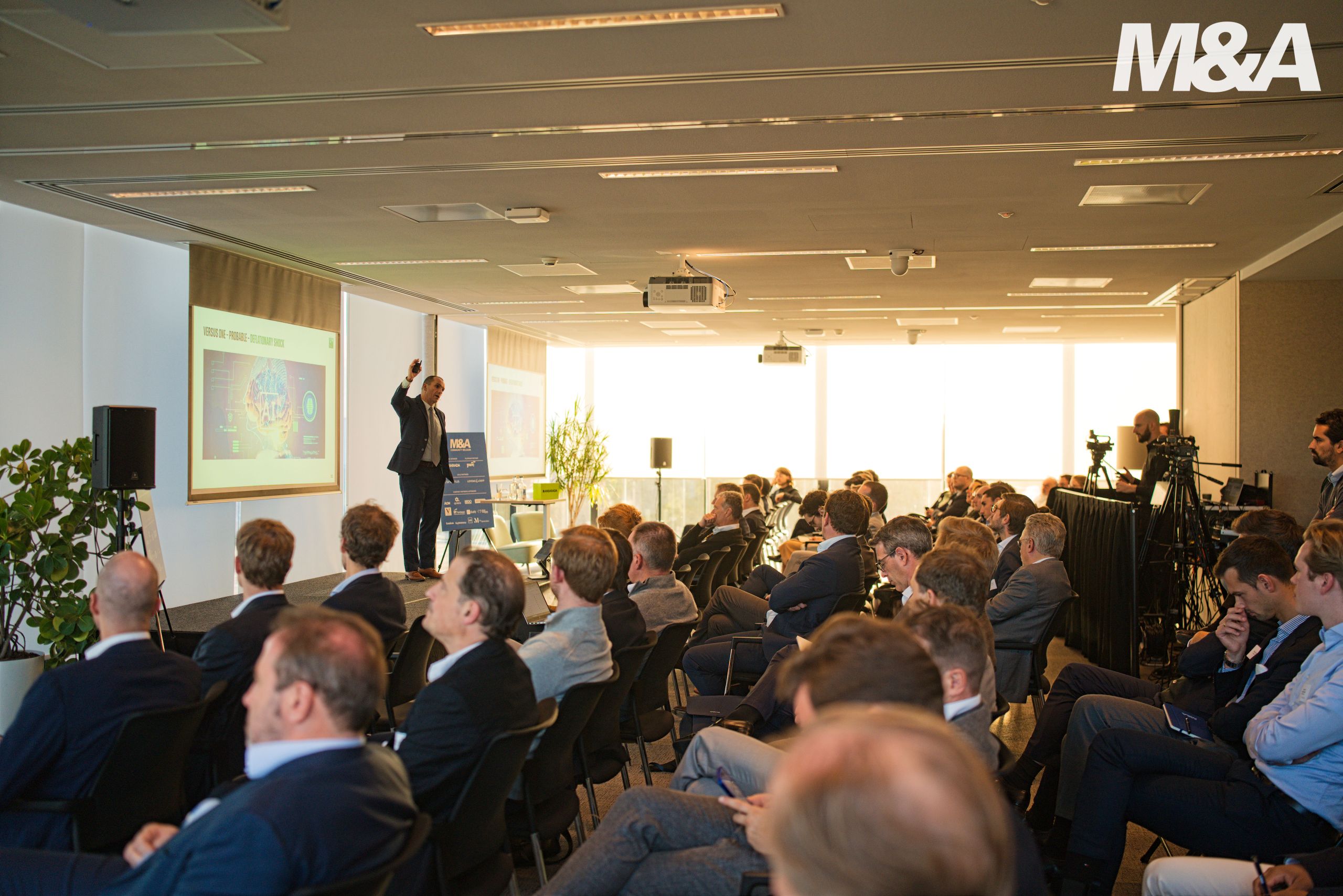
Koen De Leus, Chief Economist at BNP Paribas Fortis
The Fourth Turning
To explain the turbulence, Koen borrowed from Neil Howe's book The Fourth Turning: “History shows that every 80 years we have this period of polycrises. So now, we are in a period of polarisation. Typically, in such a turning, the opposition wins every election because the centre cannot hold. We see it everywhere. Why 80 years? That's the average human life expectancy. The generation that experienced World War II said ‘never again’. They created international organisations – such as the WTO, NATO, IMF, etc. – that formed the guardrails around geopolitical events to ensure stability. This generation is fading out and the organisation is being torn down.”
If the model holds, this Fourth Turning began in 2008 and should peak between 2028-2032, after which a First Turning starts again – a period of harmonisation and relative stability. Until then, Koen expects more shocks:
"I expect new waves of inflation because of these trends, in combination with shocks. More inflation and more shocks inherently push long-term interest rates up."
MAGA could be MEGA
Then came the boom. Koen suggested Making America Great Again is turning into Making Europe Great Again, explaining that MEGA, along the lines of the Draghi report, means closing the innovation gap, and that requires massive investment. A single European capital market is essential. "We are good at start-ups, but bad at scale-ups", he said. "When they need financing, they go to the US. We need a fully functioning savings and investment union to tap the great source of European capital."
The opportunities he listed were concrete: around 450 billion euros a year to bring energy prices down and secure energy independence; defence spending of 3.5 percent of GDP, including software and dual-use technology; and the AI transition, from data centres to connectivity. In each case, the 'picks and shovels' companies that make the transition possible stand to win. Sectors investing and implementing AI the fastest today are media, energy, electronics, pharma, defence and climate. For hungry PE investors and entrepreneurs, the source of New Alpha lies there. In a world of shocks, where countries and businesses have to adapt, opportunities are huge.
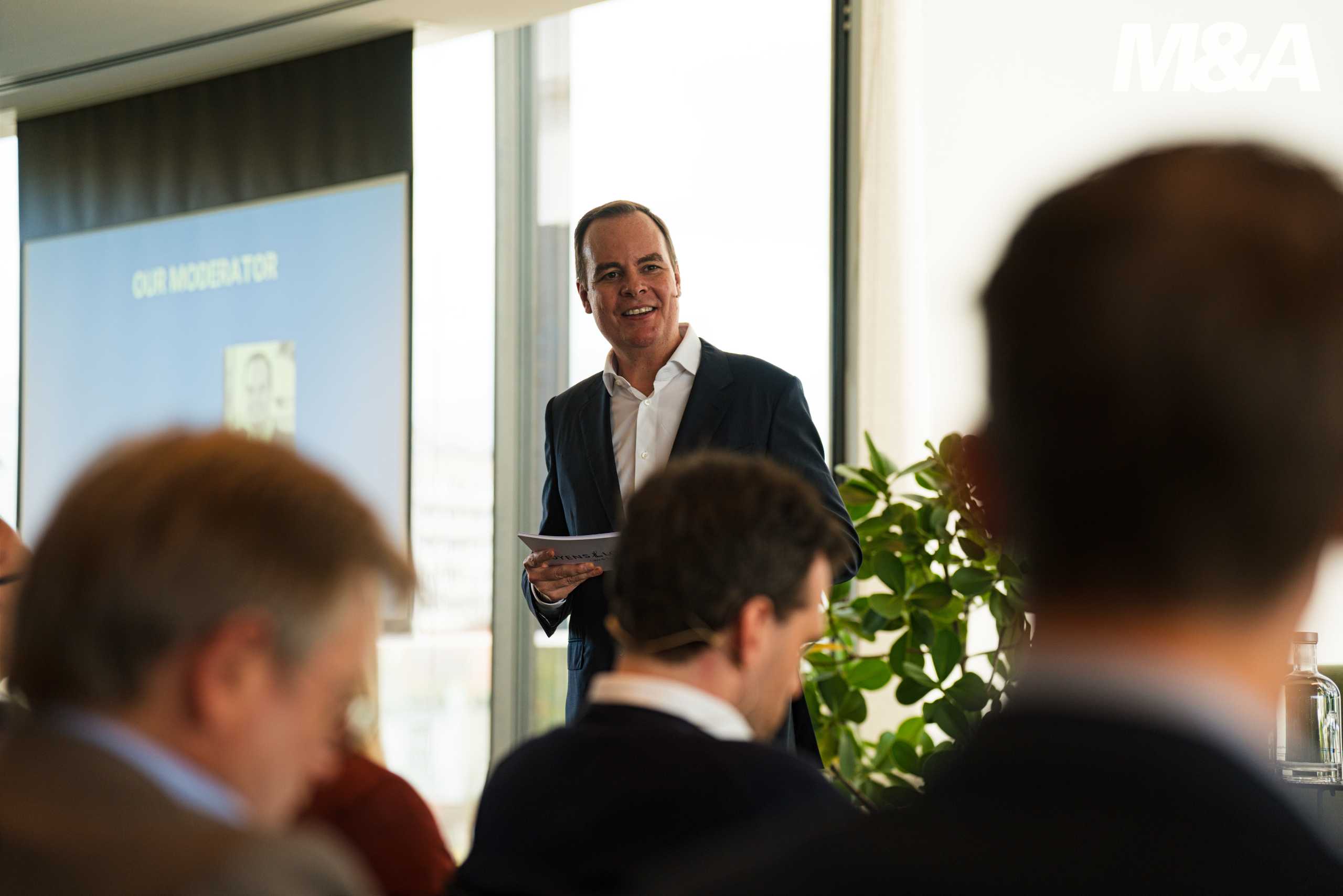
Thomas Lenné, Partner at Loyens & Loeff
People are everything
Melle and Thomas closed the day by thanking the speakers and partners. Thomas then pulled the threads together: "We heard three very different stories this afternoon – Equine Care Group, BOMA, and PIA Group – and the same lesson three times: Get the organisation, the governance, and the people in place, before you switch on the acquisition machine. In the roundtables, everyone said it in their own words: People are everything. Capital is not the scarce resource in the market, the managers who can take a company from twenty to a hundred times are."
And finally:
"If I had to put the new alpha in one sentence, it is not a financial trick. It is picking the right entrepreneur, doing the operational work, getting the people right, using AI with some ambition, and doing all that in a Europe that is finally investing again."
Fittingly for a day about people, the last word belonged to the community itself. The walking dinner gave everyone ample time, food and drink to continue the conversations of the afternoon, follow up on a panel remark or finally meet that one person they had been hoping to talk to. Many stayed well into the evening.

