Beerse-based Campine is locking in the raw material its Belgian plants depend on with a minority stake in Thai Green Tech Antimony.
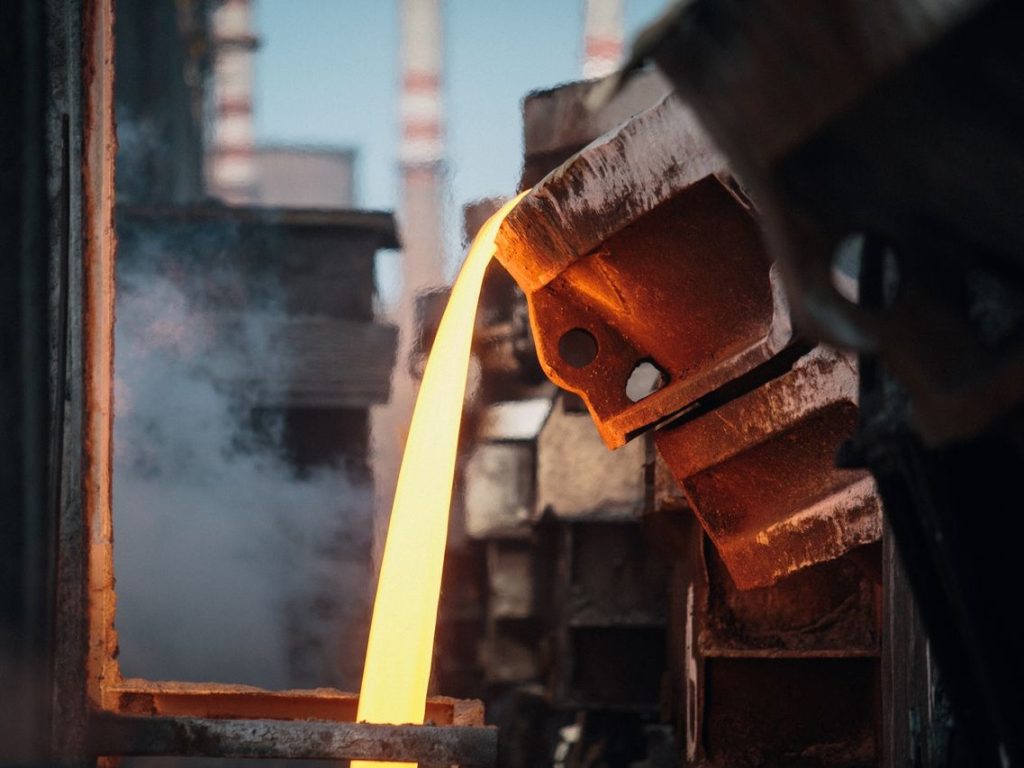
The metals recycling and speciality chemicals group has agreed to acquire a minority stake in the manufacturing operations of Green Tech Antimony (GTA), which runs a smelter in Kanchanaburi, Thailand. The smelter can produce 8,000 tonnes of antimony metal a year, while GTA’s Thai partners own several antimony mines in Southeast Asia that supply ore concentrates.
According to Campine, the vertical integration with GTA will strengthen supply security for its Belgian operations, improve cost competitiveness and open new overseas markets. Until now, Campine relied on a diversified network of suppliers and its own recycling, which already supplies around 20 percent. By the end of 2027, a 4,000-tonne antimony trioxide (ATO) unit using Campine's proprietary technology will be added on site – creating an integrated chain from ore to finished ATO.
“This is a major strategic milestone for Campine,” says CEO Wim De Vos. “By combining direct access to antimony metal with our technological expertise and a competitive Asian production, we are creating a solid foundation for further profitable growth.”
The deal includes a newly established trading company, majority-controlled by Campine, which will market GTA's entire ATO output, primarily to Asian customers.
Making Europe Great Again (MEGA)
During the Private Equity Summit 2026 on 22 October, speakers revealed that Europe has the potential to compete with the likes of the United States, with the appropriate investment. Campine’s Specialty Chemicals division director, Hans Vercammen, also sees the opportunity, explaining that the stake also supports a more independent, more Western-oriented supply chain for the critical material.
“The events over the last 2 years in the critical materials markets, and namely in the antimony market, have given us plenty of surprises. This is a concrete step towards building a stronger business for the years ahead,” Hans says.
When China imposed export restrictions on antimony products in September 2024, Campine – which had cut its Chinese metal purchases from 80 percent in 2017 to below 5 percent – became the world's largest ATO supplier. Antimony metal peaked at around $60,000 per tonne in mid-2025, and Campine's EBITDA more than doubled from €41.7 million in 2024 to €89.1 million in 2025, on revenue of €766 million.
But the market correction came just as fast. By the end of June 2026, antimony had fallen to around $23,000 per tonne. First-half revenue dropped 22 percent to €298 million, with EBITDA down 12 percent to €47.2 million, and Campine guides to around €65 million for the full year.
As supply has returned, the market has become more competitive again. Campine has been preparing on several fronts. In September 2025, Campine closed the acquisition of Ecobat's French subsidiaries – two battery recycling plants and a semi-finished lead products site with around €100 million in 2024 revenue. Three months later, it approved a €7 million investment in the third generation of its antimony recycling technology, adding 800 to 1,000 tonnes a year of commercial-grade metal from industrial waste streams from mid-2027.
Then, in September 2026, it moved downstream, acquiring Flamaway. The Zele-based flame-retardant formulator produces around 10,000 tonnes of compounds a year and generates close to €40 million in revenue, adding liquid formulations to Campine's powder and masterbatch range.
With GTA, Campine now covers the antimony chain from mine-fed smelter to finished flame-retardant compound.
Closing is planned for January 2027.