

Walk into most post-acquisition integration meetings and you'll hear the same playbook: centralise systems, standardise processes, eliminate redundancies. It's M&A 101, taught in every business school and preached by every consultant.
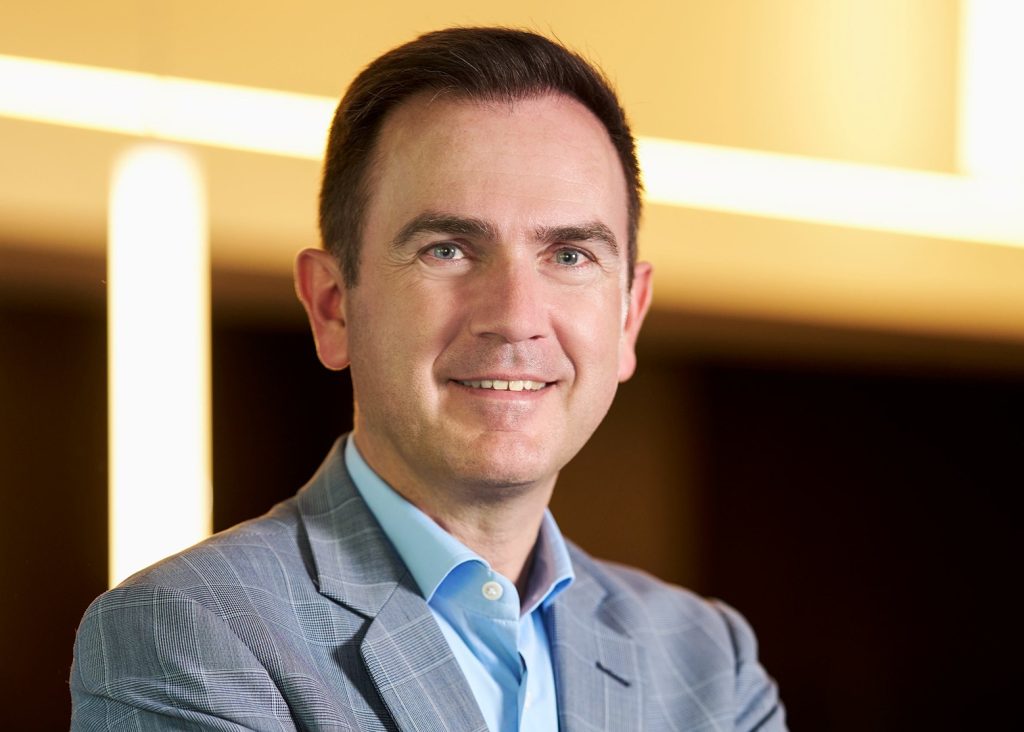
But Steven has seen where that leads. "We saw this in banks over the years: They fully consolidated, centralised and digitalised, but then they lost client connection because they were too far from the client."
As Executive Chairman of PIA Group, Steven Brouckaert is watching consolidation happen throughout Belgium's accountancy sector. But he doesn't follow the consolidation flow. Instead, Steven is betting against the grain. While competitors chase scale through standardisation, PIA has built something different over the last 15 years: a buy-and-build machine that actively preserves what it acquires.
“Our strategy is to be bigger, to be stronger, but not to be the next Big Five. We love strong brands and we believe that, even within one group environment, there is room for several strong brands in the organisation,” he shares.
In an industry obsessed with efficiency, where talent haemorrhaging and client flight are occupational hazards, this approach is changing the cold-hearted nature often associated with mergers and acquisitions (M&A).
Some of PIA's locations are so close that “you can cycle from one to the other.” Any efficiency expert would slash that overhead without blinking, but Steven sees something different: “The team that works here is another family, another DNA than the other office. That's connected not only to the people but also to the clients”, he explains.
In the Benelux area, where many businesses are still family-owned, this feels closer to home. “In accountancy, relationships are the heart of the business model. Mess with those connections and you risk self-destructing", Steven adds.
“In accountancy, relationships are the heart of the business model. Mess with those connections and you risk self-destructing"
The trust equation
In professional services, people are the product. Lose the wrong partner and you don't just lose their billings; you lose their client relationships, their institutional knowledge, their cultural influence. The damage cascades. “I can still say to this day that we do not lose any people, no client leaves us, and no partners leave us”, Steven shares proudly.
Staying local and regionally connected to the client is how they have maintained trust through transitions. “It's stability in the people that serve them. It's continuity in how they're invoiced”, he says.
Steven advises not to fix what isn’t broken. “If something works well, we've learned that not everything is efficiently done from one central point because your connection to the client, to the office, and to the business gets further away the bigger you get.”
PIA offices maintain their own invoicing methods. Their own client relationships. Their own local quirks that keep customers happy.
The result? Clients experience PIA integration as an enhancement, not a disruption. “A client sees what changes when a company joins the group, but we like to think of it as change for the better. When there's an advisory job they need that the local office previously couldn't handle, they see peer advisory clicking into that, but with the same people in the same environment they're used to.”
The entrepreneur filter
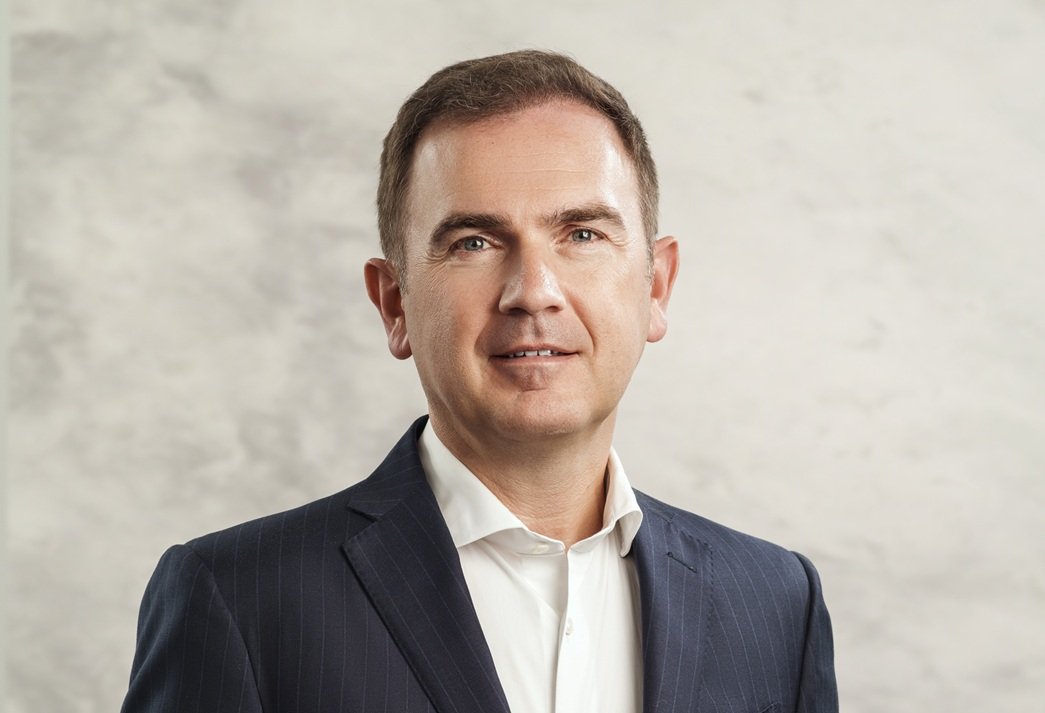
PIA's acquisition strategy focuses heavily on target selection. “Our partners must have a certain level of entrepreneurship”, Steven says. Most acquirers miss this crucial distinction. “Our median age of partners is 43 years old. We're not looking for companies that want to sell and retire”, Steven shares.
Retirement sellers want maximum price and minimum hassle. They won't stick around to help with integration challenges or client transitions. “When you sell your company and you're ready to retire, there's less chance those strong brand elements are still present”, he explains.
Instead, PIA targets what he calls “future-proof offices”: practices that have invested in quality tools, quality people, quality clients.
Entrepreneurial sellers, especially younger ones, have different motivations: growth capital, broader capabilities, and a stronger platform. Younger partners also mean longer runways, stronger appetite for investment, and better alignment with technological transformation. They're buying into something bigger, not just cashing out.
"We're not looking for companies that want to sell and retire”
This forward-thinking approach extends to how PIA develops client relationships. “We find it very important to be there at the first start of a client: a digital native starter will work differently than five years ago. We use our own technology-enabled onboarding tool that still preserves human connection.”
Steven explains that training the company’s employees to work with those tools is also key. “If you ask ChatGPT a question without proper framing, you won't get the correct answer. We invest heavily in educating our people.”
The company has an international team of seven people dedicated to artificial intelligence. “Their role is to evaluate what works, implement best-in-class solutions across offices, and make sure every investment actually adds value”, Steven adds. “Now we have trusted links with clients to give much more advice than we can today.”
For senior executives watching their own sectors consolidate, PIA's blueprint offers an important insight: Trust, it turns out, doesn't automate well. Sometimes the best way to scale is to resist the urge to standardise everything. Growth should strengthen rather than dilute what makes local practices valuable in the first place.

